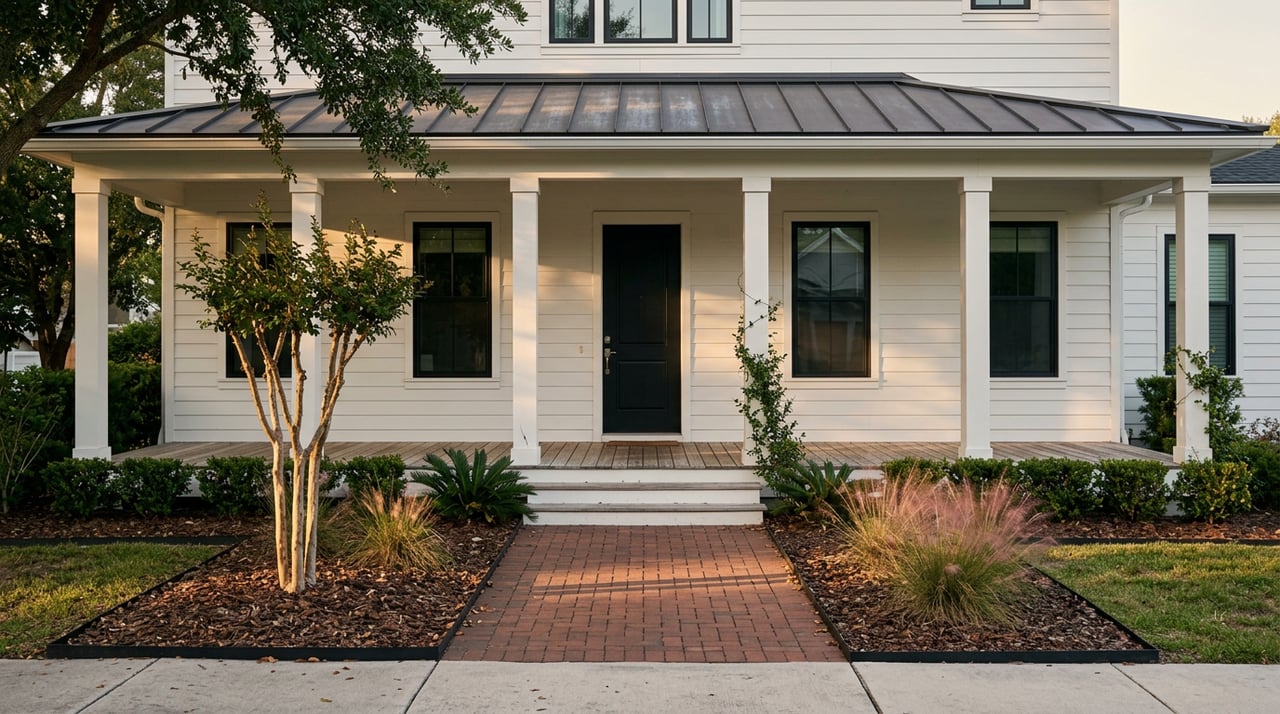
Buying a home is an exciting milestone—but the process doesn’t end with a signed contract. One of the most critical steps comes after the home inspection. This phase can reveal underlying issues that may affect the value, safety, or livability of the property. Knowing what to do after a home inspection can help buyers protect their investment and ensure the home meets their expectations. With a clear understanding of the inspection report and a strategic approach to negotiations, buyers can confidently move forward—or walk away—with peace of mind. This guide walks through the essential steps for interpreting inspection results and negotiating repairs that make sense.
Understanding the Home Inspection Report
Once the home inspection is complete, buyers receive a detailed report outlining any existing or potential issues with the property. This document is a critical tool in determining whether the property is worth the investment and what steps to take next. Buyers should read the report thoroughly, noting which issues are minor and which could be costly or pose safety concerns. This distinction helps in prioritizing repair requests and ensures negotiations are focused and effective.
Prioritize the Issues That Matter Most
Not all problems listed in an inspection report require immediate attention or negotiation. Buyers should focus on the big-ticket items—such as roofing, plumbing, electrical, HVAC systems, foundation integrity, and signs of mold or pest infestation. These items can significantly impact a home’s value and livability. Cosmetic or minor repairs, like chipped paint or a loose door handle, should typically be excluded from negotiations to maintain a constructive and realistic dialogue with the seller.
Consult With the Inspector
If anything in the report seems unclear or overly technical, it’s wise to follow up with the home inspector directly. Most inspectors are happy to clarify their findings and may offer additional context about how severe an issue really is. This conversation can help buyers understand which issues warrant immediate concern and can bolster their case when they begin negotiating with the seller.
Research Repair Costs
Before entering negotiations, buyers should research or obtain quotes to understand the potential cost of repairs. This adds credibility when requesting concessions and helps buyers avoid over- or underestimating the expenses involved. Local contractors, repair specialists, or even online estimate tools can provide quick insights into what certain fixes typically cost in that area, making the negotiation more data-driven and persuasive.
Decide on the Type of Concession
There are several ways a buyer can approach negotiating repairs. They may ask the seller to complete certain repairs before closing, request a credit toward closing costs, or negotiate a price reduction on the home. Each approach has pros and cons. Requesting repairs ensures the work is done before moving in, but it gives buyers less control over the quality. Credits or price reductions, meanwhile, give buyers flexibility but require them to handle repairs after closing.
Communicate Through the Agent
Buyers should always communicate their repair requests through their real estate agent, who will present them to the seller’s agent professionally and strategically. The buyer’s agent can help draft a formal request that outlines the issues, provides supporting documentation or estimates, and clearly states what the buyer wants the seller to do. Using the agent as a buffer also helps keep emotions out of the negotiations, ensuring a smoother process.
Be Realistic and Respectful
While it’s important to stand firm on necessary repairs, buyers should approach negotiations with a spirit of collaboration. Sellers may feel defensive about issues uncovered in the inspection, so keeping requests reasonable and well-justified is essential. Focusing on health, safety, or structural concerns, and showing flexibility where possible, increases the chances of reaching an agreement that satisfies both parties.
Consider the Seller’s Position
Sellers have their own goals and pressures, and their response to repair requests may depend on market conditions, timing, and their financial situation. In a buyer’s market, sellers may be more willing to offer concessions. In a competitive market, they may be less inclined to negotiate. Understanding these dynamics helps buyers craft requests that are more likely to be accepted, or at least countered constructively.
Use Repair Requests as Leverage
A thorough home inspection report can be a powerful bargaining tool when used strategically. Buyers can use the findings to renegotiate the purchase price or request financial concessions that align with the home’s actual condition. However, it’s important not to overplay this leverage—demanding too much may cause a deal to fall apart, especially if other buyers are waiting in the wings.
Decide When to Walk Away
In some cases, the inspection may reveal deal-breaking issues that the seller is unwilling or unable to address. If major safety or structural problems are present and no agreement can be reached, walking away may be the best option. Although it’s disappointing to back out of a deal, protecting one’s financial and personal well-being is more important than forcing a bad purchase through to closing.
Put All Agreements in Writing
Once negotiations are complete, all agreed-upon repairs or concessions must be documented in writing. This typically takes the form of an addendum to the purchase agreement. It should clearly state which repairs the seller will complete, any financial credits being offered, and timelines for completion. Having everything in writing protects both parties and ensures there are no misunderstandings before closing.
Follow Up Before Closing
Before closing day, buyers should verify that all agreed-upon repairs have been completed to a satisfactory standard. This may involve a reinspection or simply requesting receipts and documentation from the seller. If repairs were not completed as agreed, buyers may need to delay closing or renegotiate terms. This final step ensures that the home is truly ready for move-in and that there are no last-minute surprises.
A Smart Deal Is a Safe Deal
Successfully navigating post-inspection negotiations is a hallmark of a smart home purchase. By focusing on the right issues, communicating clearly, and staying grounded in facts and fairness, buyers can secure a deal that reflects the home’s true value while ensuring their safety and peace of mind. The inspection isn’t just a checklist—it’s a chance to protect one of life’s most important investments.
Partner With Experts Who Advocate for You
The negotiation phase after a home inspection is where experience and advocacy matter most. CORE4 Group offers buyers trusted guidance through every stage of the transaction. Their team knows how to interpret inspection findings, navigate negotiations, and ensure buyers are protected. Whether requesting repairs or seeking closing credits, CORE4 Group supports clients in making informed, confident decisions that lead to successful closings.