By Core4 Group
In Celebration and nearby Central Florida communities, kitchens often do double duty: weekday family meals, weekend hosting after golf rounds, and quick resets between pool time and dinner.
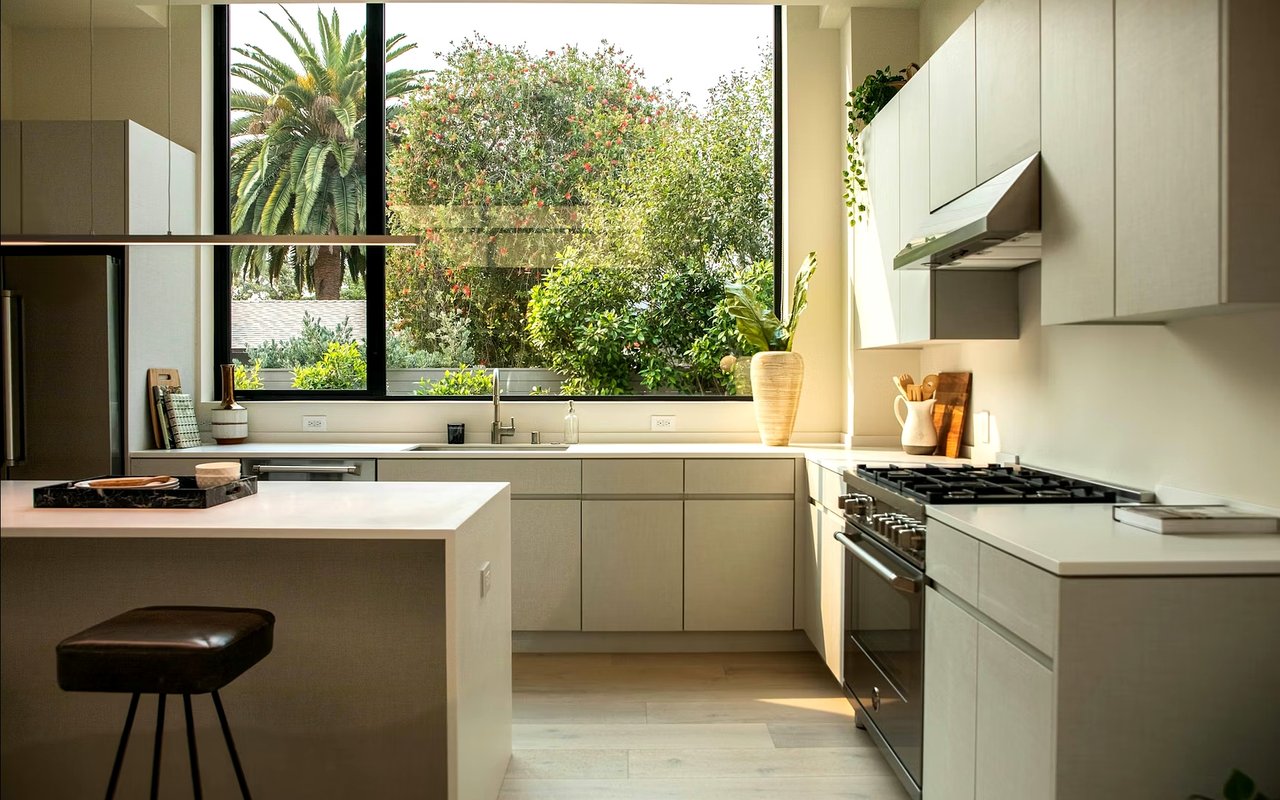
We tour plenty of homes where the kitchen looks beautiful in listing photos, then feels awkward once you picture real prep, multiple cooks, and traffic moving between the lanai and the refrigerator. Read on for our tips on how to spot (or design from scratch) a kitchen that's perfect for you.
Key Takeaways
-
Workflow first
-
Prep space priorities
-
Ventilation and heat control
-
Lanai-friendly layout
Start With Workflow: The Paths Between Sink, Stove, and Fridge
A kitchen can look high-end and still feel frustrating if the main work zones fight each other during prep and cleanup.
Why workflow predicts day-to-day cooking enjoyment
-
Clear triangle paths: Make sure you can move between sink, cooktop, and refrigerator without detours.
-
Two-cook spacing: Use aisle width that supports passing and turning without bumping corners.
-
Landing zones: Make sure counters sit next to the fridge and oven for unloading groceries and hot trays.
-
Traffic separation: Use a layout that keeps walk-through routes away from the main prep zone.
This is the foundation of a kitchen layout for cooking because it determines whether the space feels smooth or stressful.
Prep Space: Counter Depth, Island Function, and Real Task Zones
Central Florida kitchens often feature large islands, and the best ones are designed for actual prep rather than just seating.
Why prep zones matter more than extra cabinets
-
Primary prep counter: Make sure the main surface sits close to the sink and trash pullout for efficiency.
-
Island overhang balance: Use an island that keeps enough usable depth even with bar seating.
-
Small-appliance parking: Make sure there is space for mixers, blenders, and coffee gear without crowding.
-
Heat-safe landing space: Use counter space beside the cooktop and ovens for pans and sheet trays.
We like looking for a dedicated prep run near the sink, plus a second surface that supports baking, plating, and buffet-style serving.
Cooking Power and Ventilation: Heat, Odors, and Florida Comfort
Florida kitchens can feel warmer during cooking, especially in open layouts where heat drifts into the living room and toward upstairs spaces.
Why ventilation is a chef-level feature
-
Hood size and placement: Make sure the hood covers the full cooktop surface and vents effectively.
-
Cooktop configuration: Use burner spacing that supports larger pans and multi-pot cooking.
-
Makeup air awareness: Make sure the home’s airflow feels balanced when the hood runs and doors open.
-
Range-adjacent storage: Use drawers for spices, oils, and tools so cooking stays organized.
This category supports a kitchen layout for cooking because temperature control impacts endurance and comfort.
Storage That Serves Cooking: Pantry, Drawers, and Smart Placement
Storage should support how you cook, where you put groceries, and how quickly you can reset after a meal.
Why storage placement matters as much as quantity
-
Pantry proximity: Make sure the pantry sits close to the main prep zone and refrigerator.
-
Drawer-heavy bases: Use deep drawers for pots, pans, and lids instead of hard-to-reach lower cabinets.
-
Knife and utensil organization: Make sure inserts and dividers support daily workflow.
-
Sheet pan and tray storage: Use vertical slots near ovens for baking gear and serving platters.
These elements keep counters clear, which matters in Central Florida, where bright natural light can highlight clutter quickly.
Light, Materials, and Cleanability: The Practical Luxury Layer
A chef-friendly kitchen should be easy to clean, comfortable under bright Florida light, and durable through heavy use.
Why finishes should be chosen for real use
-
Task lighting: Make sure under-cabinet lighting brightens prep areas without harsh glare.
-
Backsplash coverage: Use full-height or well-placed tile near cooking zones for easier cleanup.
-
Flooring durability: Make sure surfaces handle spills, humidity, and high traffic without feeling slippery.
-
Countertop practicality: Use materials that resist staining and heat while still looking refined.
These choices support a kitchen layout for cooking because usability depends on what happens after the meal as well.
FAQs
What is the fastest way to evaluate a kitchen during a showing?
We recommend walking the work triangle, checking landing zones, and imagining two cooks moving at the same time. A quick look at ventilation and drawer placement can also reveal whether the space is designed for real cooking.
How important is lanai access for cooking-focused kitchens in Central Florida?
Lanai access matters because indoor-outdoor living is common, and serving routes can disrupt prep space if the layout is awkward.
What features signal a chef-friendly kitchen even in a smaller home?
Strong workflow, smart drawer storage, and effective ventilation can make a compact kitchen feel high-performing.
Contact Core4 Group Today
Subtle details during home tours tend to separate a showpiece kitchen from a chef-friendly one, like hood placement, pantry access from the garage entry, and island proportions that leave real prep space.
If you want to find a kitchen layout for cooking that truly fits your style in Central Florida, reach out to us at Core4 Group, and we’ll help you compare homes in Celebration, Windermere, Winter Garden, and Horizon West.
If you want to find a kitchen layout for cooking that truly fits your style in Central Florida, reach out to us at Core4 Group, and we’ll help you compare homes in Celebration, Windermere, Winter Garden, and Horizon West.