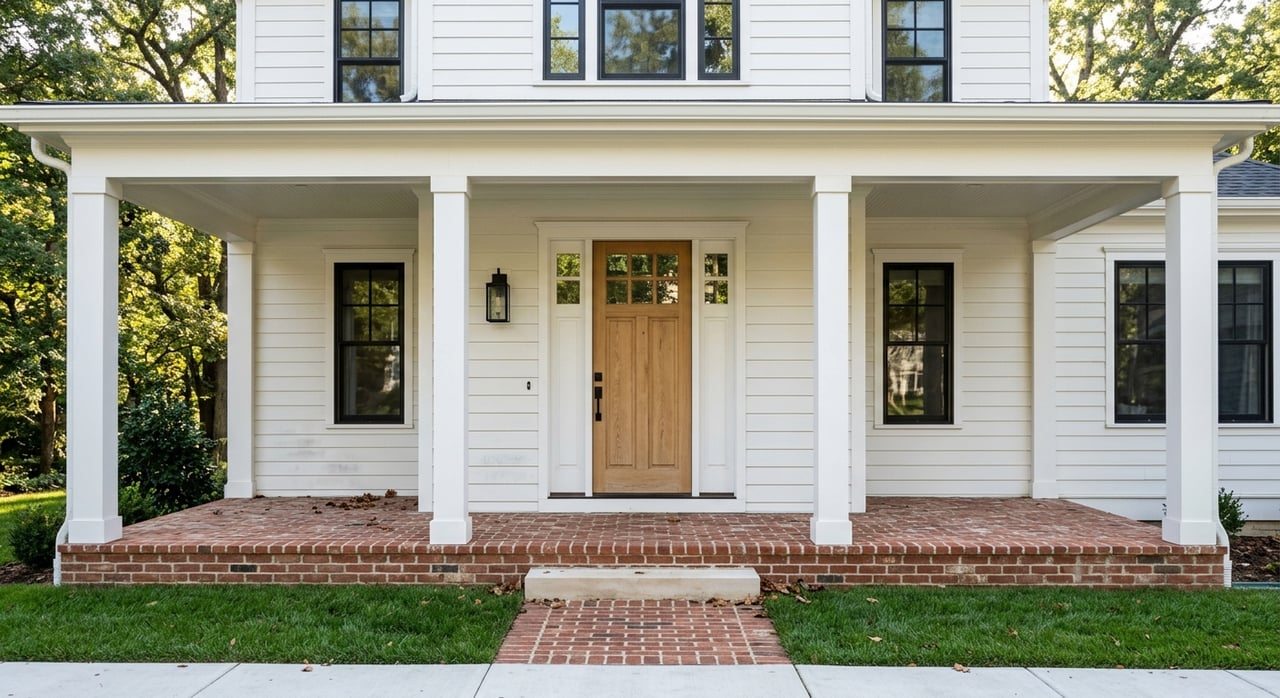
Buying a home is one of life’s most exciting milestones, but it also comes with unfamiliar steps, unexpected decisions, and questions many people don’t even know to ask. Whether you're a first‑time buyer or returning to the market after several years, understanding the deeper details of the process can help you avoid surprises and make confident choices. These answers to the top homebuyer questions reveal what every buyer should know—yet often doesn’t think to ask—before making one of the biggest investments of their life.
How Much Should I Really Budget Beyond the Down Payment?
Many buyers focus on saving for the down payment, but additional costs such as closing fees, inspections, appraisals, moving expenses, and initial repairs can add thousands to the final budget. It’s wise to set aside extra funds for potential updates, new furniture, or unexpected issues that surface within the first year. A buffer of 2–5% of the home’s purchase price can help ensure financial comfort as you transition into homeownership.
What Does My Pre‑Approval Actually Mean?
A pre‑approval is more than an estimate—it’s a lender’s commitment stating how much you qualify to borrow, based on verified financial documents. However, buyers should understand that a pre‑approval is not a guarantee of final loan approval. Changes in credit, employment, or debt levels can affect the outcome, so maintaining financial stability throughout the buying process is essential. Think of it as a strong starting point, not a final verdict.
How Do I Know If a Neighborhood Will Hold Its Value?
Beyond liking the home itself, buyers should consider long‑term desirability of the location. Factors such as school quality, development plans, crime rates, walkability, and access to amenities all influence future property value. Researching local market trends, upcoming commercial projects, and historical appreciation rates provides a clearer picture of whether a neighborhood is stable, improving, or declining. An informed choice can protect your investment for years to come.
Is a Home Inspection Really Necessary?
Even if a house appears well‑maintained, a home inspection is crucial for uncovering hidden issues such as plumbing leaks, electrical hazards, foundation problems, or roof damage. Skipping an inspection may save time upfront but could lead to costly repairs later. The inspection report also strengthens your negotiating power by identifying legitimate concerns you can request the seller to fix, discount, or credit at closing.
How Do I Know What to Offer on a Home?
Crafting the right offer goes beyond simply meeting the asking price. Buyers should consider the home’s condition, comparable sales, market competition, and how long the property has been listed. In a competitive market, strong offers may include fewer contingencies or flexible timelines, while in slower markets, buyers may negotiate more aggressively. Working with a knowledgeable agent helps ensure your offer is strategic, compelling, and well‑supported by data.
What Are Contingencies and Why Do They Matter?
Contingencies are protective conditions included in a purchase agreement that allow buyers to back out or renegotiate if certain factors aren’t met. Common examples include financing, appraisal, and inspection contingencies. These safeguards ensure buyers aren’t forced into unfavorable circumstances—such as overpaying if the home appraises low or purchasing a property with costly defects. Knowing which contingencies to include helps balance protection with competitive appeal.
How Can I Compete Against Cash Buyers?
Cash buyers often move faster and with fewer complications, but financed buyers can still win competitive situations. Offering a strong pre‑approval, limiting contingencies, increasing earnest money, or adjusting the closing timeline can make your offer more appealing. Writing a clean, well‑structured offer and responding quickly to negotiations also increases your chances. The right strategy helps level the playing field even against cash‑ready competitors.
Should I Buy the Best House I Can Afford?
It’s tempting to max out your budget, but doing so can lead to financial stress or limit your ability to handle unexpected expenses. Many experts recommend buying slightly below your maximum approval amount to allow breathing room for lifestyle needs, home maintenance, and future changes. Choosing a home that fits your long‑term goals rather than stretching for short‑term excitement creates a more stable and enjoyable homeownership experience.
What Happens If the Appraisal Comes In Low?
A low appraisal can create complications, because lenders will only finance up to the home’s appraised value. In such cases, buyers can renegotiate the price, increase their down payment, or challenge the appraisal through their agent. This scenario is more common in competitive markets where buyers bid above listing price. Understanding your options ahead of time prevents panic and ensures you make smart, informed decisions.
How Much Maintenance Should I Expect as a Homeowner?
Homeownership brings ongoing responsibilities that renters may not be accustomed to. Regular maintenance such as HVAC servicing, landscaping, pest prevention, gutter cleaning, and appliance care helps preserve your home’s value and avoid bigger issues later. Budgeting 1–3% of the home’s value annually for maintenance ensures you’re prepared for routine upkeep as well as the occasional repair or upgrade.
Answers That Empower Smart Decisions
Buying a home becomes far less overwhelming when you understand not only the obvious steps but also the questions you didn’t even know to ask. From budgeting and inspections to appraisals and contingencies, these insights into top homebuyer questions provide the clarity needed to navigate the journey with confidence. With the right guidance and preparation, your path to homeownership becomes smoother, smarter, and far more rewarding.
Find Confidence in Every Step of the Buying Process
Navigating the homebuying journey is easier with the right support. CORE4 Group provides buyers with expert guidance, market insight, and personalized strategies to make informed decisions at every stage. Their team helps clients understand key questions, anticipate challenges, and confidently choose the perfect home. With CORE4 Group by your side, the path to homeownership becomes clear, structured, and empowering.