Central Florida Real Estate Valuation Guide
Decoding Home Age and Market Value in Central Florida
Home Age vs. Market Value: Direct Answer
In Central Florida real estate, home age serves as a proxy for construction standards, layout philosophy, and major system replacement cycles. While newer homes command premiums for open-concept floor plans and fresh HVAC/roof warranties, well-maintained older homes in established master-planned communities like Celebration and Windermere match or exceed new-construction values through strategic kitchen, primary suite, and lanai updates.
Evaluating Property Age & Valuation in Central Florida?
Search Central Florida Homes for Sale vs. Request Home Valuation
Align your property search or seller valuation strategy with expert Central Florida real estate advisory. Select your preferred search path below:
Construction Eras and Market Value
Layout Trends, System Life Cycles, and Renovation Leverage
Central Florida blends historic brick-lined suburbs, New Urbanist developments, and brand-new expansion corridors. Assessing a home's market value requires looking beyond calendar age to evaluate building codes, roof and HVAC lifespans, indoor-outdoor pool lanai integration, and modern finish quality.
Key Valuation Pillars
4 Factors Linking Home Age to Real Estate Value
01 | ERA & LAYOUT TRENDS
1. Architectural Era & Layout
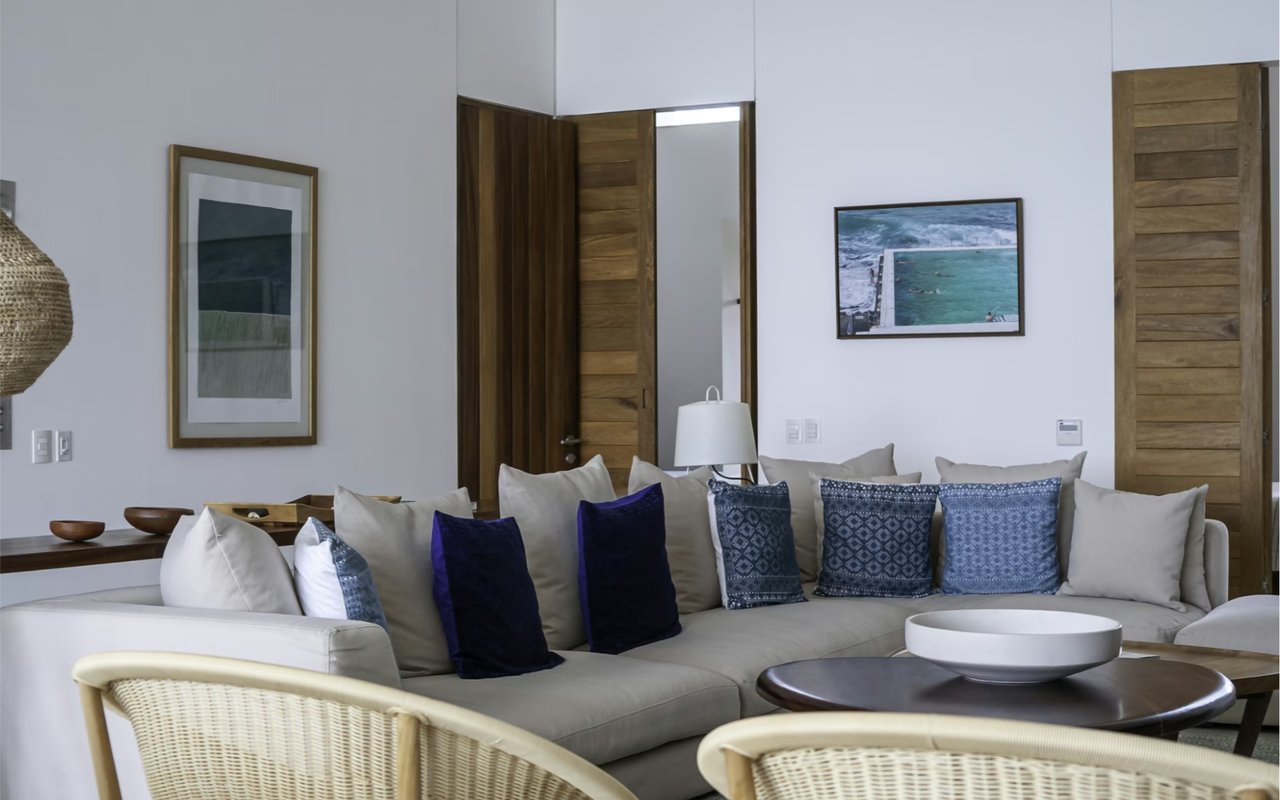
Construction era determines ceiling heights, room flow, window impact ratings, and lanai orientation. Open-concept floor plans command higher buyer demand.
02 | NEIGHBORHOOD IDENTITY
2. Community & Streetscape Maturity
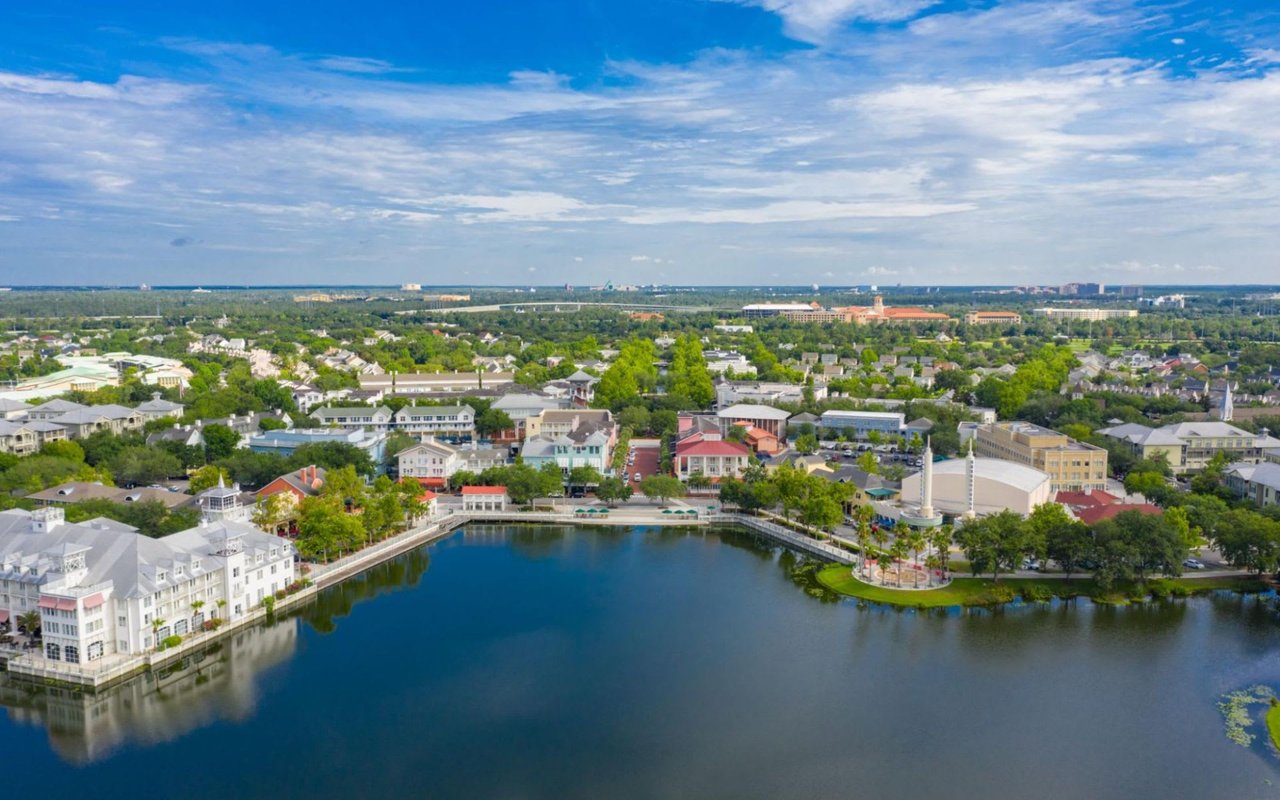
Established communities like Celebration offer mature tree canopies, walkable town centers, and proven HOA standards that amplify property equity over time.
03 | CRITICAL SYSTEMS
3. Roof & HVAC Replacement Cycles
In Florida's climate, documented roof age (15 to 20-year lifespan) and HVAC efficiency heavily impact buyer negotiations and insurance underwriting.
04 | RENOVATION LEVERAGE
4. Modernization & Finish Quality
Targeted kitchen overhauls, primary bath upgrades, porcelain tile flooring, and summer kitchen additions reset an older home's competitive market position.
Data Extraction Matrix
Home Age, Building Era & Market Value Impact Matrix
Construction Era / Age Tier | Common Architectural Features | Major System Considerations | Market Value & Buyer Demand Impact |
|---|---|---|---|
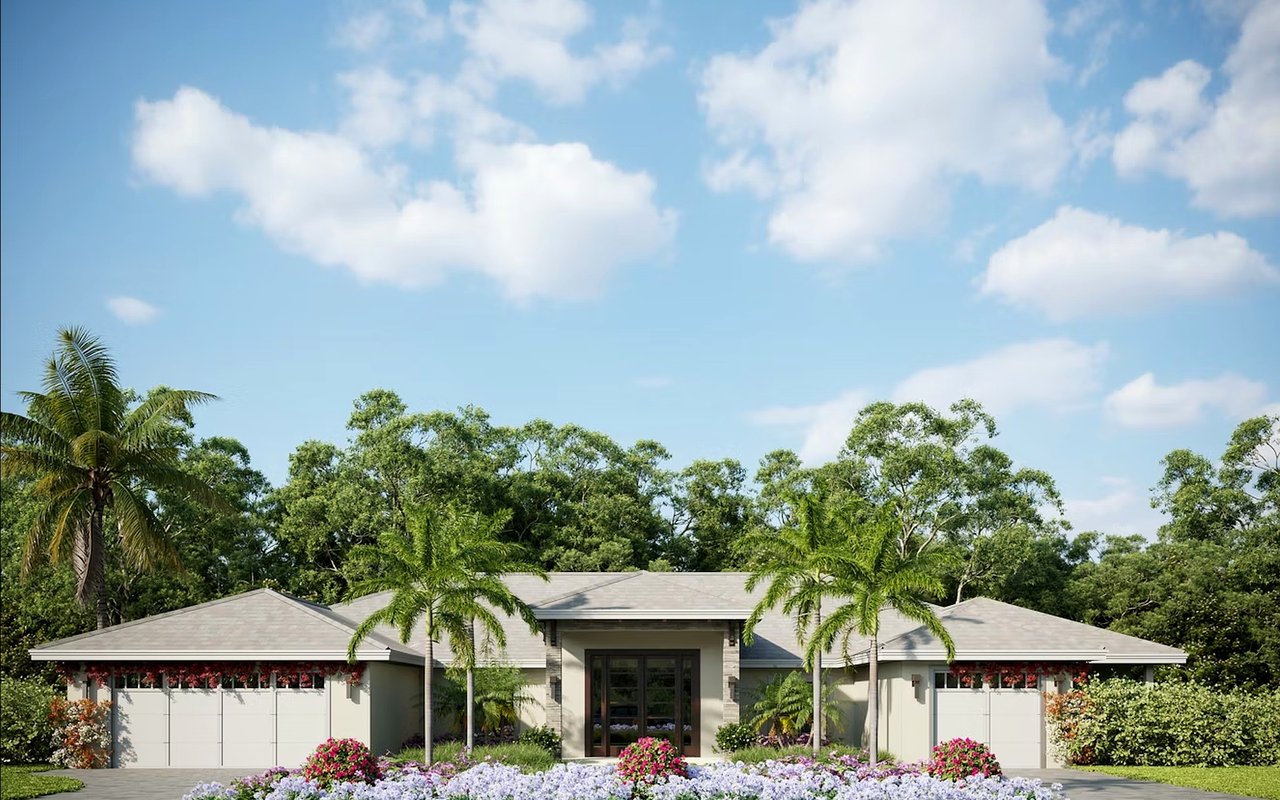
New Construction (0 to 5 Years) | Open-concept layouts, high ceilings, impact glass | Under full builder warranty; modern HVAC & solar options | Commands highest price per square foot and immediate buyer demand |
Established Modern (6 to 15 Years) | Gourmet kitchens, large covered lanais, tile roofs | Approaching first HVAC & water heater replacement window | Strong balance of mature neighborhood appeal and modern livability |
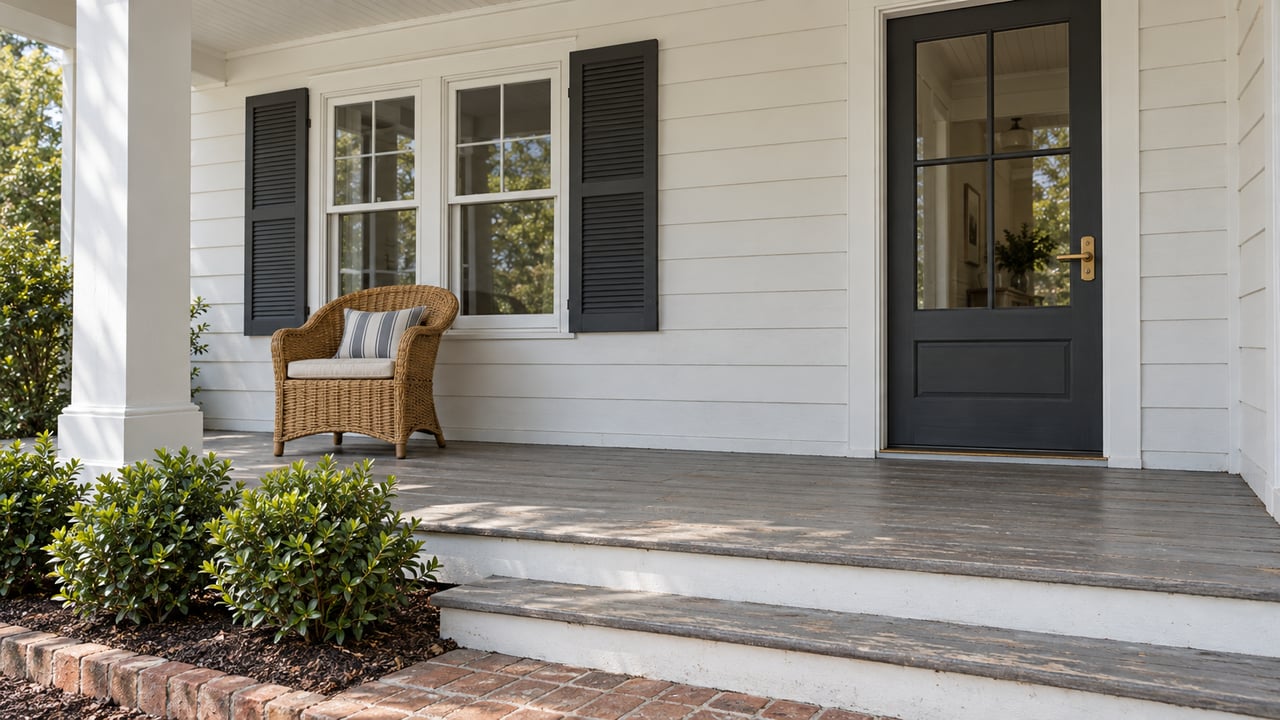
Legacy Master-Planned (16 to 25 Years) | New Urbanist front porches, formal dining rooms | Requires documented roof replacement & electrical panel updates | Prime renovation candidates; location & mature trees retain strong equity |
Vintage & Historic (25+ Years) | Traditional segmented rooms, historic brick curb appeal | Full plumbing, wiring, roof & window upgrades recommended | Highly prized in historic corridors (Winter Park, College Park) post-rehab |
Sources: Stellar MLS Historical Valuation Data, National Association of Home Builders (NAHB) Remodeling Index, Orange County Property Appraiser Ledgers.
System Lifespans, HVAC Performance, and Insurance Underwriting
In Central Florida's tropical climate, heat, humidity, and summer storms make major building systems critical to valuation. A home's calendar age is often secondary to the documented service history of its primary components:
- HVAC Systems: Operating under heavy seasonal loads, Florida air conditioning units typically have a 10 to 12-year lifespan. Modern high-SEER replacement units improve indoor humidity control and lower energy bills.
- Roof Integrity: Insurance carriers in Florida closely examine roof age. Architectural shingle roofs require evaluation or replacement every 15 to 18 years, while concrete tile roofs offer longer lifespans.
- Electrical Panels & EV Charging: Upgraded 200-amp panels support modern pool pumps, smart home automation, and electric vehicle charging stations.
Key Central Florida Housing Coordinates & Submarkets
- Celebration Main Village: 610 Sycamore St, Celebration, FL 34747. Established New Urbanist master-planned homes.
- Laureate Park at Lake Nona: 13623 Laureate Park Dr, Orlando, FL 32827. Modern tech-enabled smart home builds.
- Winter Park Park Avenue Corridor: 250 S Park Ave, Winter Park, FL 32789. Historic & luxury estate corridor.
Renovation Strategy and Partnering With Core4 Group
Strategic modernization allows older Central Florida homes to compete directly with brand-new construction. Remodeling kitchens with oversized quartz islands, updating primary bathrooms with frameless glass showers, laying wood-look porcelain tile, and enhancing outdoor lanais with summer kitchens reset a property's market positioning.
Whether you are purchasing an older home with renovation potential or preparing a mature property for sale in Windermere, Dr. Phillips, or Celebration, working with an experienced local real estate team ensures you maximize equity. Core4 Group brings over 75 years of combined Central Florida market experience, providing data-driven property valuation and buyer guidance. Contact Core4 Group today to evaluate your real estate options.
Common Inquiries
Frequently Asked Questions
Does a newer home always have a higher market value in Central Florida?
Not necessarily. While newer homes offer fresh warranties and modern open floor plans, well-maintained older homes in prime mature communities like Celebration or Winter Park often command higher values due to lot size, tree canopy, and central location.
How does roof age affect Florida home values and insurance?
Florida insurance carriers closely monitor roof age. Roofs approaching 15 years old may require replacement before buyers can secure competitive homeowner insurance policies, directly impacting contract negotiations.
How do Celebration homes compare to newer communities in Winter Garden or Lake Nona?
Celebration offers established New Urbanist streetscapes, mature trees, and walkable town centers, whereas newer areas in Lake Nona or Winter Garden emphasize contemporary smart home automation and open layouts.
What renovations deliver the highest ROI for older Central Florida homes?
Updating kitchens with quartz counters and modern storage, remodeling primary bathroom suites, installing wood-look tile flooring, and expanding covered outdoor pool lanais yield the highest market return.
How do I contact a Central Florida home valuation specialist?
Contact Core4 Group, premier real estate advisors in Central Florida, for a comprehensive side-by-side home age and market valuation analysis.
Core4 Group | Florida Real Estate Valuation Advisory
Core4 Group delivers data-driven real estate advisory, bespoke property marketing, and expert buyer representation across Central and Coastal Florida.
Evaluating home age and market value in Central Florida? Connect with Core4 Group to schedule a confidential property valuation consultation.