Orlando Neighborhood Guide
College Park vs Winter Park: Which Orlando Neighborhood Fits You?
College Park vs Winter Park: Which Orlando neighborhood is right for you? College Park offers an intimate, bungalow-dominant neighborhood directly adjacent to Downtown Orlando, while Winter Park is a separate historic city defined by luxury estates, Park Avenue destination dining, and direct SunRail commuter transit access.
College Park vs Winter Park at a Glance
Trying to choose between College Park and Winter Park? You are not alone. Both areas are well-known in the Central Florida luxury market, and each offers tree-lined streets, local dining, and a strong sense of place, but they live very differently day to day. If you are deciding where you will feel most at home, this guide will help you compare the lifestyle, housing character, walkability, and practical tradeoffs so you can narrow in with confidence.
If you want a quick answer, College Park often appeals to buyers who want to stay close to Downtown Orlando and enjoy a neighborhood setting with an intimate main street feel. Winter Park often stands out for buyers who want a more polished historic atmosphere, a stronger rail option, and a broader mix of parks, culture, and destination shopping. That does not mean one is better than the other. It means your best fit depends on how you want your daily routine to feel, how you plan to get around, and what kind of home setting feels right to you.
College Park: Close-In and Neighborhood-Focused
College Park is a neighborhood within Orlando city limits, just outside Downtown. The City of Orlando describes it as urban living with a small-town feel, and local Main Street materials highlight oak-lined neighborhoods, lakes, brick streets, and a community-centered setting. In practical terms, College Park feels connected and local. You are choosing a neighborhood where the rhythm often revolves around Edgewater Drive, nearby parks, and the convenience of being close to the city core.
What Daily Life Feels Like in College Park
College Park is often a strong match if you want a casual, neighborhood-first environment. Edgewater Drive is home to local retailers, restaurants, and small businesses, and the area also hosts annual events that add to its community feel. You also have neighborhood-scale green spaces like Dartmouth Park and Albert Park. Those features can make everyday life feel easy and close to home, especially if you like a routine built around nearby favorites rather than a larger destination district.
What the Homes and Streets Feel Like
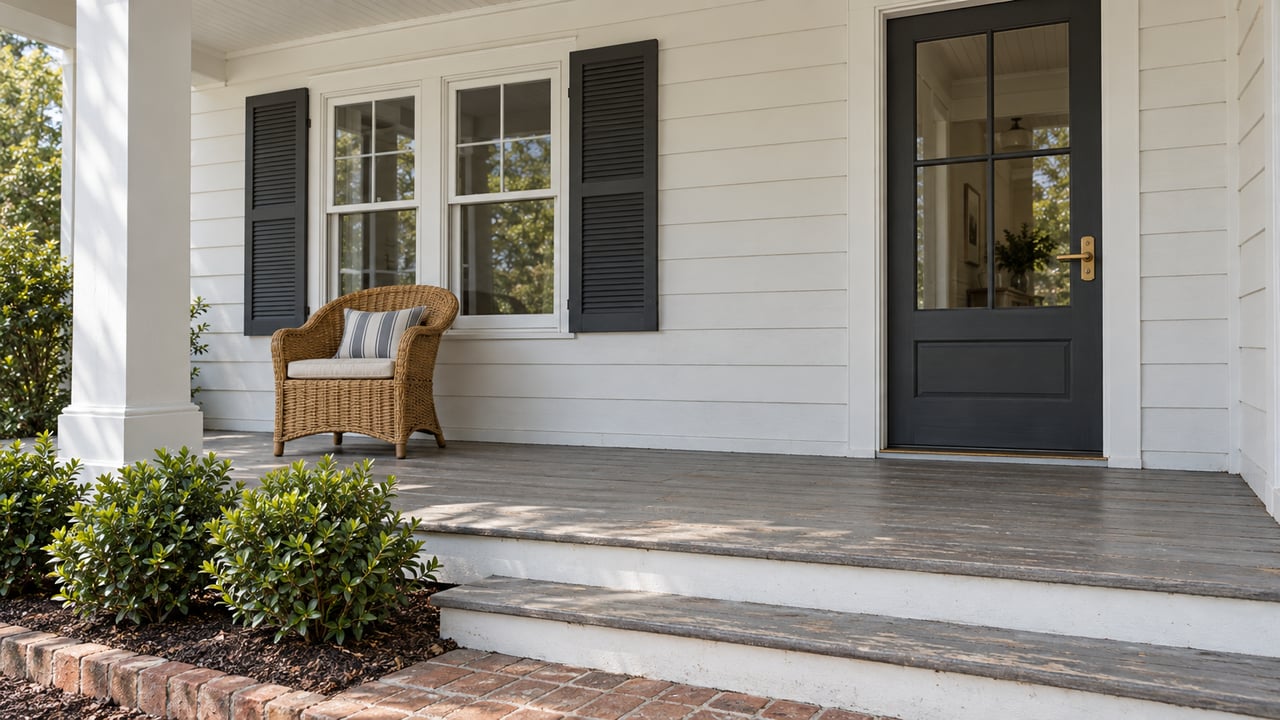
Official descriptions of College Park emphasize bungalow-style homes, cottages, homes near lakes, and brick, tree-lined streets. That creates a streetscape that often feels charming, established, and a bit more eclectic. For many buyers, that is the appeal. If you like homes with individual character and a neighborhood that feels lived-in and evolving, College Park may feel more natural than a more formally preserved setting.
Winter Park: Historic, Polished, and Destination-Oriented
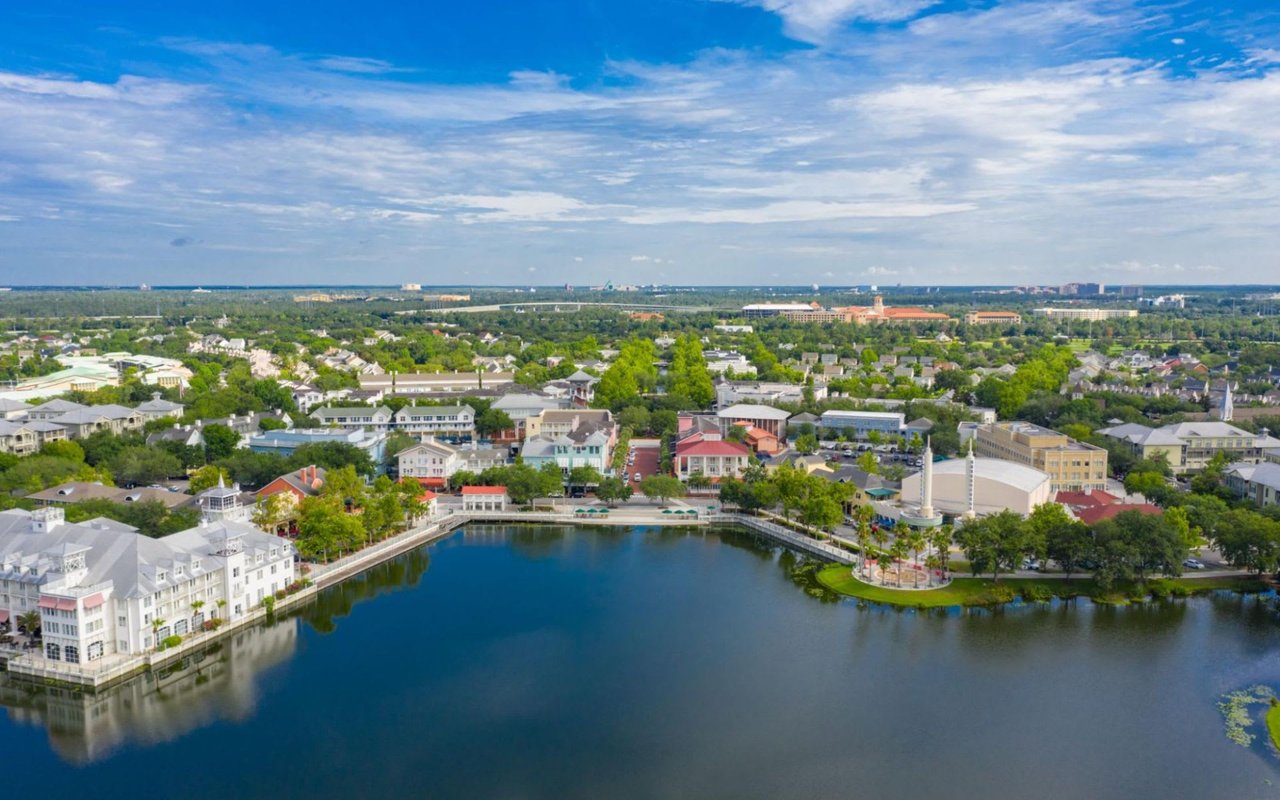
Winter Park is a separate city just north of Orlando. The city describes itself as known for stately trees, abundant parks, brick-lined streets, museums, lakes, spectacular homes, and Park Avenue. Its history also matters to how it feels today. Winter Park was originally developed as a winter resort and planned community, which helps explain why it often comes across as more formal, more civic, and more historically defined.
What Daily Life Feels Like in Winter Park
Winter Park tends to attract buyers who want a stronger destination feel. Park Avenue serves as the city's signature shopping and dining corridor, and the surrounding area includes Central Park, museums, public gardens, and well-known community events such as the Winter Park Sidewalk Art Festival. The city also highlights parks including Mead Botanical Garden, Lake Baldwin Park, and Kraft Azalea Garden. If you want your neighborhood choice to come with a deeper cultural identity and a wider set of public amenities, Winter Park may check more boxes.
What the Homes and Streets Feel Like
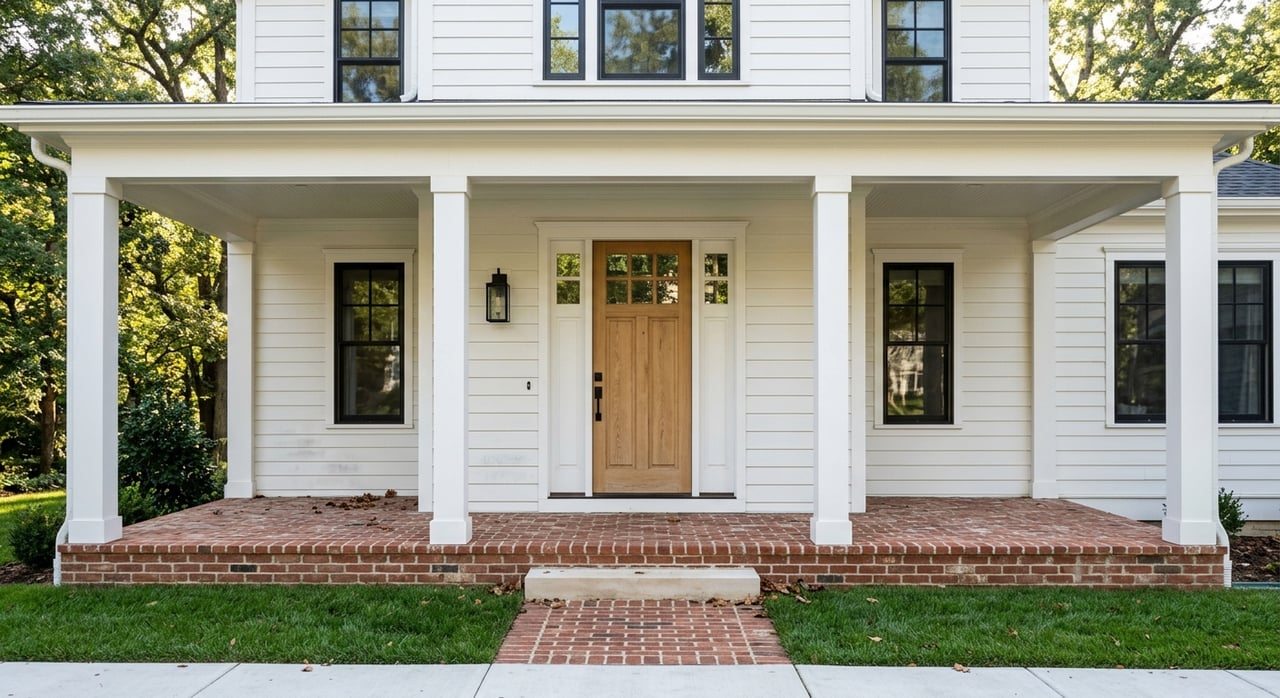
Winter Park's historic preservation materials describe a wide range of housing, including imposing estates, modest bungalow neighborhoods, grove houses, winter cottages, and traditional neighborhoods shaped by the 1920s land boom. The city has recorded more than 700 historic structures, representing about 7% of residential dwellings. That creates a place where historic character is not just a design detail. It is part of the city's identity. If you are drawn to a more preservation-oriented setting with a stronger sense of architectural legacy, Winter Park may stand out.
Walkability and Getting Around
When buyers compare these two areas, transportation often becomes a deciding factor. Both have highly walkable pockets, but they support very different commuting lifestyles.
College Park Walkability
College Park's walkability is strongest near Edgewater Drive. The Edgewater Drive Complete Streets project focuses on walking, biking, driving, and micromobility, with expanded sidewalks, ADA pedestrian facilities, calmer traffic, decorative lighting, landscaping, and bicycle lanes already in place. That tells you a lot about the neighborhood's transportation story. College Park is less about rail access and more about comfortable local movement within a close-in neighborhood near Downtown Orlando.
Winter Park Walkability and Transit
Winter Park also supports walking and cycling with public maps, bike lanes, shared-use paths, and a Pedestrian & Bicycle Program. The city notes that residents and visitors commonly walk or cycle for recreation or transportation. Winter Park also has a clearer transit advantage. Its SunRail and Amtrak station is on West Morse Boulevard near Park Avenue, providing walkable access to Central Park, the Morse Museum, and Rollins College, along with regional rail connectivity throughout Central Florida.
Which Area Fits Your Buying Goals?
The right choice often comes down to what you value most in your next move. A neighborhood can look great on paper, but the better question is whether it supports the life you actually want to live.
- For buyers who want convenience near Downtown: College Park may be the better fit if your priority is staying close to Downtown Orlando while still enjoying a residential setting with personality. Its small-town feel, local business corridor, and neighborhood parks can be especially appealing.
- For buyers who want a more curated historic setting: Winter Park may fit better if you are looking for a place with more historic polish and a stronger destination feel. The combination of Park Avenue, cultural amenities, public gardens, and rail access can make it feel more layered.
- For buyers who care most about architecture: Both areas offer charm, but the style of that charm differs. College Park tends to feel more eclectic and neighborhood-driven, while Winter Park tends to feel more formally historic with a stronger preservation presence.
If you are relocating, moving up, or simply trying to narrow your search, the best next step is to compare how each area aligns with your routine. Looking for other Central Florida options? Review our Orlando Luxury Homes Guide or explore Windermere & Dr. Phillips.
Frequently Asked Questions
What is the main difference between College Park and Winter Park?
College Park is a neighborhood within Orlando with a close-in, small-town feel near Downtown, while Winter Park is a separate city known for historic character, Park Avenue, and a broader mix of parks and cultural amenities.
Is College Park or Winter Park better for walkability?
Both offer highly walkable areas, especially near Edgewater Drive in College Park and Park Avenue in Winter Park. However, Winter Park has the added regional transit advantage of immediate SunRail and Amtrak access.
What kind of homes are common in College Park?
College Park is known for its historic bungalow-style homes, mid-century cottages, homes near urban lakes, and brick, tree-lined streets that create an eclectic neighborhood feel.
What kind of homes are common in Winter Park?
Winter Park includes a wide range of luxury historic housing types such as sprawling lakefront estates, bungalow neighborhoods, grove houses, winter cottages, and traditional neighborhoods influenced by the 1920s land boom.
Is College Park closer to Downtown Orlando than Winter Park?
Yes. College Park borders Downtown Orlando directly, making it a strong option for buyers who want residential living with immediate, street-level access to the city core.