Ride down Bumby Avenue on any given Saturday and the Milk District still reads the way it always has: string lights over a patio, a mural wrapping around a dairy building that has stood since 1925, a line for tacos outside a converted garage. Nothing about the block looks like it is being decided by anyone but the people who show up to it.
But two things happened this summer that will shape what that block looks like five years from now, and neither one involved a paintbrush or a food truck. The City of Orlando hired an outside planning firm to study the entire district and recommend what gets built there next. And the long-vacant Hoods Up garage, a building locals have wondered about for years, finally has a buyer with a name attached to it. Read together, they say something the murals and the quarterly street festival do not: the district's scrappy, lived-in feel has become valuable enough that both a celebrated restaurant group and City Hall are moving to have a say in what happens to it.
The Building Everyone Has Wondered About
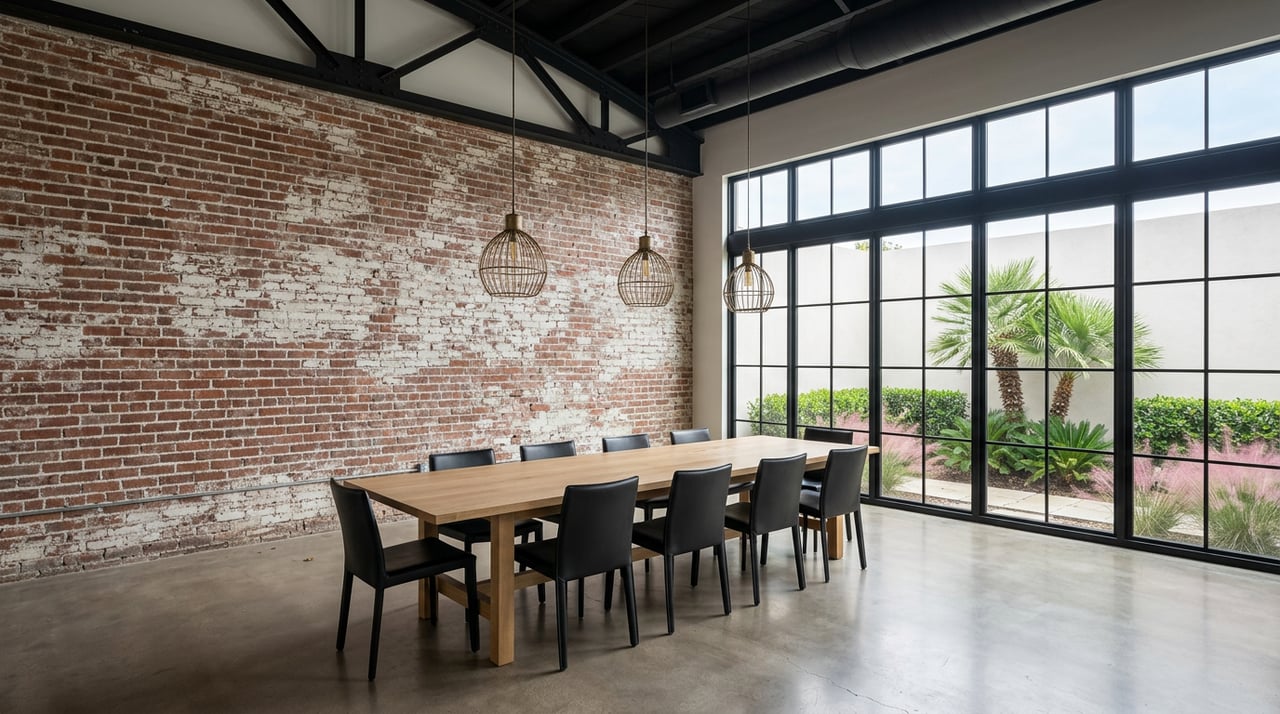
For years, the old Hoods Up garage on the district's edge sat as the answer to a question locals kept asking each other: someone should really do something with that corner. In October 2024, Ustler Group closed on the property for $1.2 million. The company's own site now lists the site as an adaptive reuse project, converting the former garage into what it calls a signature full-service restaurant, with renovations expected this year.
The name attached to the project is not a mystery brand testing the water. Good Salt Restaurant Group, the team behind Seito Sushi, The Osprey, Reyes Mezcaleria, The Monroe, Sparrow, and Osteria Ester, is tied to the build-out. Good Salt is led by Jason and Sue Chin, who were named 2025 James Beard Award finalists for Outstanding Restaurateur. Local food reporting has floated a name, Paper Kites, and a concept, a Korean pub-style room, though Good Salt has not yet added the project to its public portfolio.
Whatever it ends up being called, the signal is the same one that's shown up elsewhere in Central Florida this year: an established, decorated operator choosing a scrappy, non-Park-Avenue address on purpose, betting that the neighborhood's identity is the draw rather than a liability to design around.
The Study Nobody Ordered But Everyone Will Feel
The second development is less visible from the sidewalk but will likely matter more. In June, the City of Orlando hired Inspire Placemaking Collective to conduct a nine-month Vision Land Use Plan for the Milk District, one of the city's most recognizable Main Street districts. The study area runs from Colonial Drive to South Street and from Bumby Avenue to Maguire Boulevard and Crystal Lake Drive, with Robinson Street stretching east toward Fern Creek Avenue.
The scope, as reported, includes a look at minimum lot sizes for higher-density development, an identification of up to three vacant or underused properties for possible redevelopment, and a review of bike and pedestrian gaps in the district. None of that is a redevelopment approval. It is closer to a foundation, the kind of document that ends up informing zoning updates and design standards years down the line. The city has said public engagement will be part of the process, including a project website, an online survey, and community meetings, which means residents who want a say in what the district becomes will have a formal channel to use it.
Bungalower's reporting on the study framed the district as one of Orlando's clearer examples of what people actually want from a neighborhood, calling it "an actual place instead of another branded lifestyle district." That is also, as the same reporting noted, exactly what makes it attractive to developers. The study exists because the district works. The tension is whether the next round of investment keeps it working the same way.
Why Both Are Happening at the Same Time
It is not a coincidence that a nationally recognized restaurant group is buying into a garage on the district's edge in the same year the city commissions a study on how much density that edge can hold. Both moves are reactions to the same fact: the Milk District's character, the murals, the independent operators, the quarterly festival that shuts down an intersection, was never guaranteed to stay small. It became something worth protecting and something worth building around at roughly the same moment.
That is the story underneath the individual updates. A new restaurant announcement is fun to read. A zoning study is not. But the study is the mechanism that will determine whether the next Paper Kites has room to open in a converted garage, or whether the next available lot gets built out in a way that looks like anywhere else.
What Still Anchors a Saturday Here
None of this changes what the district already offers day to day, and that inventory is worth naming plainly, because it's the baseline the study is measuring against.
- The T.G. Lee Dairy mural, spanning more than 200 feet along the side of the historic dairy building that has processed milk on that site since 1925, remains the largest of its kind in Orlando and the district's most recognizable landmark.
- Milk Mart, the quarterly art and food festival at the Robinson and Bumby intersection, draws several hundred local artists, makers, and food vendors across a stretch that includes The Nook, Sideward Brewing, Milkhouse, Whiskey Lou's, and Otto's High Dive. The fall installment, themed as a Golden Girls send-up, is set for September 13.
- Cherry Tree Park offers a smaller playground, grills, and picnic pavilions suited to families with younger kids, while Colonel Joe Kittinger Park honors Vietnam War veterans with a refurbished F-4 Phantom aircraft on permanent display.
- The Orlando Urban Trail, a paved three-mile route running from Lake Highland to Mead Garden, threads through the area for anyone commuting by bike or walking a longer loop than the district itself allows.
That is the texture a land use study has to work around, not just the buildings but the events, the parks, and the walking patterns that already exist. A plan that ignores them risks producing recommendations nobody on the ground actually wants.
What to Watch For Over the Next Nine Months
The study is expected to run roughly through early spring 2027, given its June 2026 start. For residents, the practical windows worth watching are the public engagement pieces the city has committed to: a project website, a survey, and community meetings where feedback on lot sizes, redevelopment sites, and walkability gets collected before recommendations are finalized. Those meetings are where the district's own read on itself, scrappy, local, resistant to over-polish, gets weighed against the density and investment case that made the study necessary in the first place.
The Hoods Up building will likely open well before the study wraps, giving residents an early, tangible sense of what a thoughtful adaptive reuse project in this district can look like. Whether the next vacant lot the study flags gets the same treatment is the open question that will define the Milk District's next decade more than any single restaurant opening will.
If you're tracking how a neighborhood like this changes over time, or want a clearer read on what a city planning study actually means for a block you walk every week, Core4 Group keeps an eye on these shifts across Orlando's neighborhoods so you don't have to piece it together yourself. Reach out anytime you want to talk through what's happening in the area you call home.