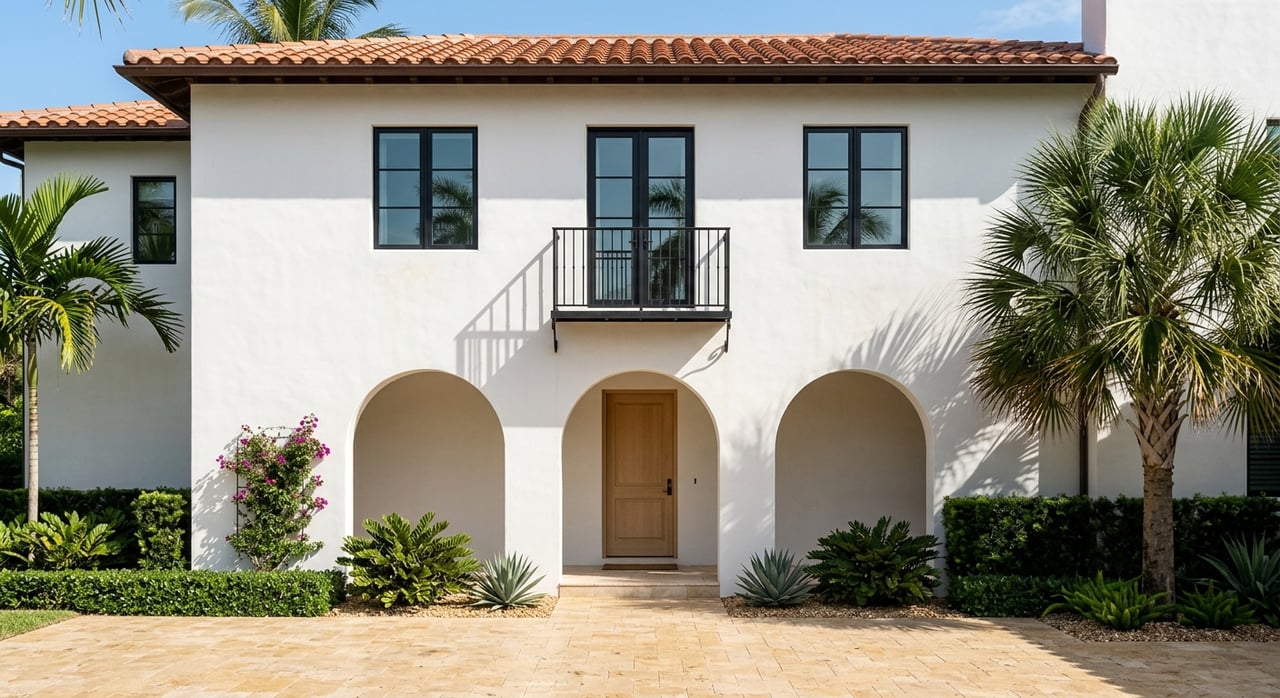
Thinking about owning a place near Disney that you can enjoy yourself and possibly rent when you are away? Reunion can be appealing for exactly that reason, but it is not as simple as buying any vacation home in Central Florida. The details behind amenity access, rental rules, taxes, and carrying costs can change the ownership experience in a big way. If you are considering buying in Reunion, here is what you should look at before you make an offer. Let’s dive in.
Why Reunion draws buyers
Reunion is an amenity-driven resort community in Central Florida, just minutes from Walt Disney World. Official community information highlights three signature golf courses, a private water park, tennis and pickleball, mini golf, shuttle service, dining, and a resort-style setting across roughly 2,300 acres.
For you as a buyer, that matters because Reunion operates more like a resort ecosystem than a typical neighborhood. The lifestyle appeal is real, but the ownership model can be more layered than buyers first expect.
Property types in Reunion
Villas and condo-style options
One common option is a villa or condo-style property. Reunion’s villa communities include more than 200 living spaces, generally with one to three bedrooms, full kitchens, and either a balcony or patio. The Grande Tower also offers condo-style residences with one to two bedrooms.
These can work well if you want a more compact, lock-and-leave second home. They may also appeal if you prefer less interior space to furnish and maintain.
Larger vacation homes
Reunion also offers separate vacation homes ranging from three to fifteen bedrooms. Some include features like private pools, game rooms, and movie theaters, which can support personal use or a more rental-focused strategy.
If you are buying for multigenerational vacations, frequent guests, or group travel, this property type may make more sense. Just keep in mind that more space and more amenities usually mean a larger operating budget.
Amenity access is property-specific
One of the biggest things to understand about Reunion is that not every property comes with the same access. According to Reunion’s official FAQ, guests who book through Reunion Resort or approved preferred partners have full and unlimited access to amenities only if the home itself has amenity access.
That distinction matters. If a property does not have amenity access, water park passes cannot be purchased, and third-party bookings do not receive water park access.
Golf access has limits too
Golf is also not automatic in the same way many buyers assume. Guests staying at Reunion or through the preferred rental program may be eligible to play, but tee times are required, not guaranteed, and golf comes with an additional charge.
Before you buy, you will want to verify the exact amenity situation tied to the specific property. That includes the home’s current status, how future guests would access amenities, and whether the booking path affects that access.
Rental plans require careful due diligence
If part of your goal is earning short-term rental income, Reunion can be attractive. Still, you should confirm the legal and operational details early rather than assuming every property can be rented the same way.
Osceola County says the first step is to verify zoning. After that, owners planning vacation-rental use must apply for a Florida DBPR vacation-rental license and register a Local Business Tax Receipt with the county tax collector.
Community documents matter
The county also notes that properties in subdivisions or planned developments may have additional rules. That can include architectural guidelines or use limitations that affect how you use the home.
In practical terms, your due diligence should include:
- Confirming the parcel’s zoning status
- Reviewing the governing community documents
- Verifying the state licensing path
- Confirming county registration requirements
- Understanding any property-level or community-level rental limits
This is especially important in Reunion, where resort branding can make ownership look more uniform than it really is.
Carrying costs can add up fast
A vacation home budget should go beyond the mortgage payment. In Reunion, several line items can materially affect your total cost of ownership.
Property taxes and timing
In Osceola County, property taxes are assessed on value and collected annually. Tax notices are normally mailed on or before November 1, and the gross amount is due by March 31. Early-payment discounts are typically available in November, December, January, and February.
If you are buying a vacation home rather than a permanent residence, Florida homestead exemption usually will not apply. That can make the tax picture very different from what you may be used to on a primary home.
CDD and special assessments
Reunion buyers should also look closely at community development district charges and any special assessments. Reunion East and Reunion West each operate as official community development districts, and those CDD charges appear on the annual tax bill as non-ad valorem assessments.
These charges may include operations and maintenance costs and, in some cases, capital assessments tied to district infrastructure. Osceola County also states that special assessments appear on the tax bill and are due even when homestead applies.
Ongoing ownership costs
Some recurring costs are easy to underestimate when a property first looks appealing online. Depending on the home, you may need to budget for:
- HOA or condo dues
- Insurance
- Utilities
- Landscaping
- Housekeeping
- Furnishings
- Repair and replacement reserves
- Property management
- Pool heating fees for private homes
If the property will be a short-term rental, tangible personal property tax may also apply to furniture, fixtures, and equipment in the rental property.
Understand the tax stack on rentals
If you plan to rent the home for short stays, it is important to model the tax side carefully. Florida states that transient rentals of six months or less are subject to state sales tax and local transient-rental taxes.
In Osceola County, the tourist development tax is 6%, and the county discretionary surtax rate is 1.5%. The state also notes that mandatory charges such as cleaning fees, processing fees, resort fees, and pool heat can be part of the taxable rental amount.
That means your gross rental revenue is not the same as your net income. Before you buy, make sure your projections account for taxes, fees, management, maintenance, and vacancy.
Match the property to your ownership goals
The best Reunion purchase for you depends on how you plan to use it. A smaller villa may fit a part-time owner who wants simplicity, while a larger home may better support extended stays, group travel, or a more active rental strategy.
It helps to define your ownership style early. In most cases, buyers fall into one of three buckets:
- Primarily personal use
- Hybrid use with occasional rentals
- Professionally managed short-term rental use
Once you know your goal, you can evaluate each property through that lens rather than getting distracted by broad resort marketing.
Questions to ask before closing
Before you move forward on a Reunion vacation home, make sure you can answer a few property-specific questions clearly.
Your Reunion due diligence checklist
- Does this exact property have amenity access?
- Is the home located in Reunion East or Reunion West?
- What is the current CDD assessment?
- Are there any special assessments on the tax bill?
- Is short-term rental use allowed for this parcel?
- What licenses and registrations would be required?
- Are furnishings included in the sale?
- Is pool heat available, and what does it cost?
- Will you self-manage or use a property-management program?
- What are the expected monthly and annual carrying costs?
These questions can tell you far more than resort photos alone. In a community like Reunion, the fine print often shapes the real ownership experience.
A smart Reunion purchase starts with specifics
Reunion can be a strong fit if you want a resort lifestyle, a Disney-adjacent second home, or a property with rental potential. The key is to evaluate the specific home, its documents, its amenity status, and its full cost structure rather than assuming every Reunion property functions the same way.
If you want organized guidance as you compare villas, condos, or larger vacation homes in Reunion, the team at Core4 Group can help you look at the details that matter most and move forward with confidence.
FAQs
What should you check before buying a vacation home in Reunion?
- You should confirm amenity access, zoning, governing documents, CDD charges, special assessments, rental eligibility, licensing requirements, and the full carrying-cost picture for the specific property.
Can every Reunion property be used as a short-term rental?
- No. Osceola County says you should verify zoning first, and properties in planned developments may have additional rules or use limitations.
Do all Reunion homes include water park access?
- No. Reunion states that amenity access depends on the specific home and booking path, and homes without amenity access cannot purchase water park passes.
What taxes apply to a short-term rental in Osceola County?
- For transient rentals of six months or less, Florida says state sales tax and local transient-rental taxes apply, including Osceola County’s 6% tourist development tax and 1.5% discretionary surtax.
Will a vacation home in Reunion qualify for Florida homestead exemption?
- Usually no. Florida homestead exemption is generally for property maintained as a permanent residence, so a vacation home typically does not qualify.
Why do Reunion East and Reunion West matter to buyers?
- They matter because each operates as an official community development district, and CDD charges appear on the annual tax bill as non-ad valorem assessments.